 904-800-6389


Soft Tissue Injuries After a Car Accident: Why They’re Often Missed—and Why Listening to Your Body Matters
After a car accident, many people walk away thinking they were “lucky.” No broken bones. No emergency room visit. Maybe just a little soreness that feels manageable.
But days later, that soreness lingers. Or it gets worse. Your neck feels stiff. Your back tightens up when you sit too long. Your shoulder doesn’t move the way it used to. You start wondering if this is just part of the healing process—or if something deeper is going on.
In many cases, these symptoms are caused by soft tissue injuries, one of the most common and most misunderstood consequences of auto accidents.
At Injury Care Centers, we see this every day across Jacksonville and North Florida. And we also understand that not everyone feels ready—or comfortable—walking into a doctor’s office right away. This article is here to educate, reassure, and help you understand your options, so when you feel ready, you know where to turn.
What Are Soft Tissue Injuries?
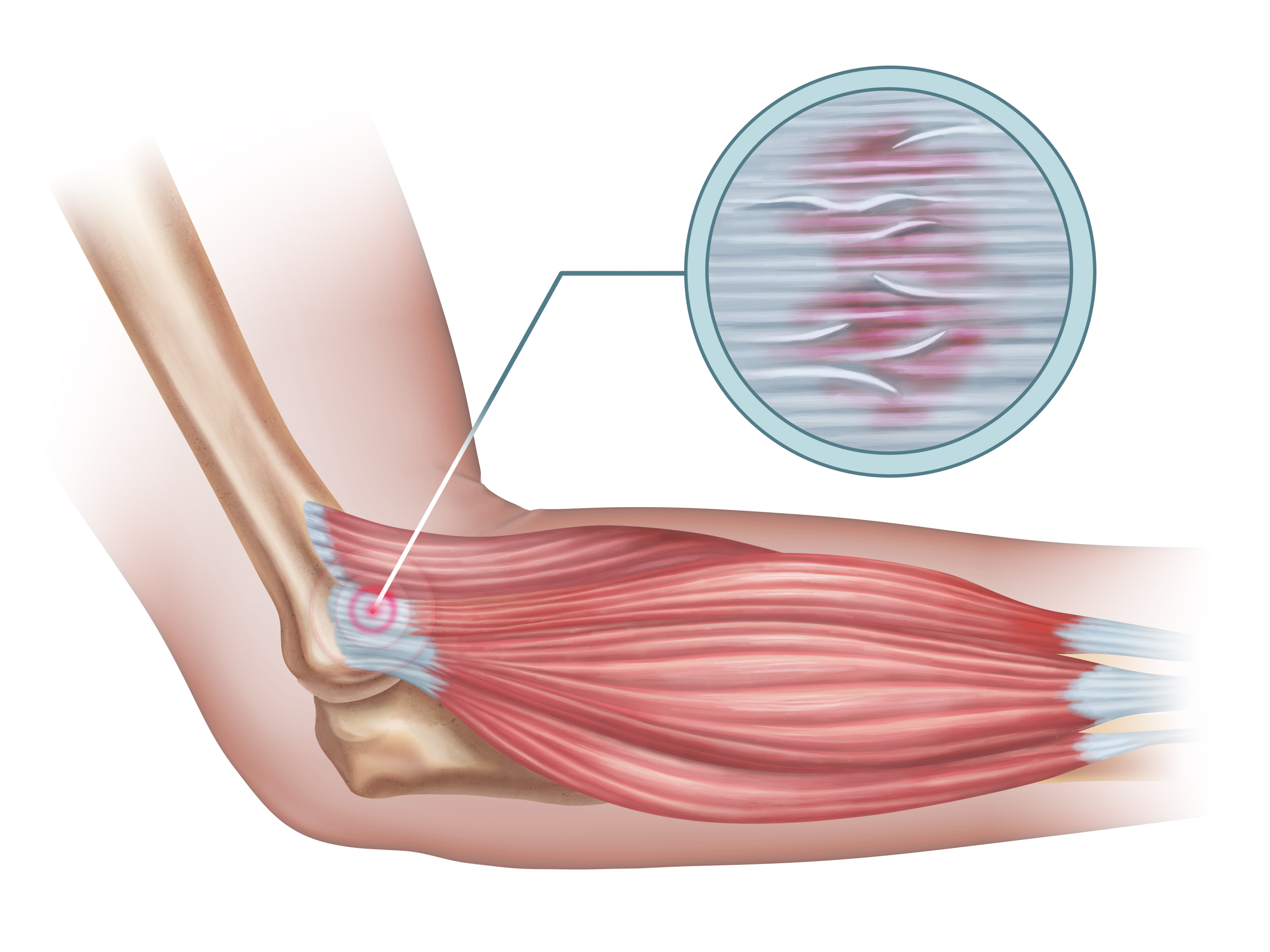
Soft tissue injuries affect the muscles, ligaments, tendons, and connective tissues that support your joints and spine. Unlike fractures, these injuries don’t show up clearly on standard X-rays, which is why they’re often overlooked early on.
Common soft tissue injuries after car accidents include:
- Muscle strains
- Ligament sprains
- Tendon irritation
- Deep bruising (contusions)
- Fascial inflammation
Car accidents expose the body to sudden acceleration, deceleration, and twisting forces. Even at low speeds, these forces can stretch soft tissues beyond their normal range, causing microscopic tearing and inflammation.
Why Soft Tissue Injuries Don’t Always Hurt Right Away
It’s very common for accident victims to feel “okay” at first. Adrenaline and stress hormones can temporarily mask pain. Inflammation also takes time to build.
Symptoms often appear 24 to 72 hours later, and may include:
- Muscle soreness or stiffness
- Swelling or tenderness
- Reduced range of motion
- Pain that worsens with movement
- Muscle spasms
- Fatigue or general discomfort
When these symptoms are ignored, the body may heal improperly, leading to scar tissue, chronic tightness, and long-term pain patterns.
“I’m Not Sure If This Is Serious Enough to See a Doctor…”
This is one of the most common thoughts we hear from patients — and it’s completely understandable.
Many people worry about:
- Overreacting
- Being told “nothing is wrong”
- Feeling rushed or dismissed
- Not knowing what treatment involves
- Insurance or paperwork concerns
If this sounds like you, know this: hesitation doesn’t mean you’re wrong—it means you’re human.
At Injury Care Centers, our role is not to pressure anyone into treatment. It’s to listen, evaluate, and educate, so you can make informed decisions about your health.
Even a simple evaluation can give you clarity and peace of mind.
Why Untreated Soft Tissue Injuries Can Become Long-Term Problems
Soft tissue injuries don’t always heal well on their own. Without proper support, the body may compensate in ways that create new issues.
Untreated injuries can lead to:
- Chronic muscle pain
- Reduced flexibility
- Ongoing inflammation
- Joint instability
- Headaches or referred pain
- Difficulty with daily activities
Early, appropriate care helps guide the healing process, so tissues recover stronger and more functional, not stiff and painful.
How We Evaluate Soft Tissue Injuries
A proper evaluation goes beyond “where does it hurt?”
At Injury Care Centers, assessments may include:
- A detailed accident history
- Gentle movement and range-of-motion testing
- Digital Imaging (Digital X-Ray and MRI if needed)
- Muscle and joint palpation
- Neurological and orthopedic screening if it is necessary.
The goal is to understand how the injury is affecting your body as a whole, not just treat isolated symptoms.
Gentle, Non-Invasive Ways We Help Soft Tissue Injuries Heal
Many patients worry that treatment will be painful or invasive. In reality, modern soft tissue care focuses on supporting the body’s natural healing process.
PBM Laser Therapy (Photobiomodulation Therapy)
PBM Laser Therapy uses specific wavelengths of light to stimulate healing at the cellular level. It’s completely non-invasive and pain-free.
Laser therapy can help:
- Reduce inflammation
- Improve circulation
- Increase cellular energy (ATP production)
- Support faster tissue repair
Many patients find this especially helpful in the early stages of soft tissue injuries when soreness and inflammation are present.
PiezoWave Shockwave Therapy for Stubborn Soft Tissue Pain
For injuries that linger or involve scar tissue buildup, Piezowave Shockwave Therapy can be a powerful option.
Shockwave therapy uses acoustic waves to:
- Break down fibrotic scar tissue
- Stimulate collagen production
- Increase blood flow
- Promote tissue regeneration
It’s often used when muscles or connective tissues feel “stuck” or tight long after an accident.
Both therapies are used thoughtfully and only when appropriate — always with patient comfort in mind.
If You’re Nervous About Getting Care, That’s Okay
You don’t need to have all the answers before reaching out.
You don’t need to be in severe pain.
You don’t need to commit to anything on day one.
Sometimes the first step is simply having a conversation and understanding what’s going on with your body.
And when you’re ready — whether that’s today, next week, or later — we’re here to help.
Serving Jacksonville & North Florida with Compassionate Accident Care
Injury Care Centers has locations throughout:
- Jacksonville
- Orange Park
- St. Augustine
- Middleburg
- Surrounding North Florida communities
Our teams work with people at all stages of recovery — from those who are unsure if they even need care, to those managing more complex injuries.
A Gentle Reminder
Pain is your body’s way of asking for attention — not judgment.
If something doesn’t feel right after a car accident, it’s worth listening to.
And when you’re ready, Injury Care Centers is here to support you with experience, compassion, and modern, non-invasive treatment options.
When You’re Ready to Take the Next Step
If you’d like to learn more or schedule a visit, you can do so when it feels right for you.
👉 https://injurycarecenters.net/first-visit